Solve your biggest bottleneck with AI. And keep it solved.
We find the one workflow leaking the most time and revenue, put a managed AI agent on it, and keep it running month after month. No software to learn. Live in days.
Trusted by businesses across every service industry
SUMMIT DENTAL
Atlas Construction
CoreTech HVAC
STERLING REALTY GROUP
BLUEWAVE PLUMBING
Nexus Insurance Partners
Lumière MedSpa
NEXGEN PARTNERS
HARMON LAW GROUP
APEX DENTAL
Harborview Real Estate
Vantage Mechanical
SUMMIT DENTAL
Atlas Construction
CoreTech HVAC
STERLING REALTY GROUP
BLUEWAVE PLUMBING
Nexus Insurance Partners
Lumière MedSpa
NEXGEN PARTNERS
HARMON LAW GROUP
APEX DENTAL
Harborview Real Estate
Vantage Mechanical
The Real Problem
You already know where you’re losing money.
It’s the same repetitive gaps in every service business — the calls, the follow-ups, the reviews that never get asked for. Here’s what they quietly cost.
78%
of jobs go to the business that responds first
4.2 hrs
average lead response time — you can win it in 60 seconds
$93.6K
/yr lost to 12 missed calls a week at a $150 job average
40%
of no-shows are recoverable with one automated follow-up
Client Results
Results that speak for themselves.
Real outcomes across HVAC, dental, cleaning, real estate, insurance, law, medspa, and more.
★★★★★
"Before Cogentia I was missing 8-10 calls a day. Now the AI voice agent books 94% of inbound calls. Added two trucks this year."
Marcus T.
HVAC · Phoenix, AZ
★★★★★
"The 72-hour follow-up automation changed our close rate. We closed 4 deals last month that would have gone cold."
David R.
Real Estate · Miami, FL
★★★★★
"The recurring booking automation paid for itself in month one. 68% of one-time clients are now monthly."
Sarah L.
Cleaning · Denver, CO
★★★★★
"We used to lose 60% of quote requests to slow response. AI replies in under a minute now — conversion went 22% to 41%."
Linda K.
Insurance · Atlanta, GA
★★★★★
"I had 23 Google reviews when we started. Now I have 335, ranking #1 for six keywords. Zero ad spend."
James R.
Dental · Austin, TX
★★★★★
"People found us at 10pm and booked a competitor by morning. Now 40% of our bookings happen after hours."
Nicole W.
MedSpa · Scottsdale, AZ
★★★★★
"Intake was 25 minutes of staff time per lead just to qualify. We went from 8 consultations a week to 22."
James H.
Law Firm · Chicago, IL
★★★★★
"The estimate follow-up closed three jobs my first week that I had written off. One was a $4,800 project."
Maria C.
Construction · Dallas, TX
★★★★★
"Renewal reminders we used to chase manually now go out automatically. Retention went from 71% to 88% in one cycle."
Paul G.
Insurance · Dallas, TX
★★★★★
"Everything was running in five days and I didn’t touch a thing. My no-show rate dropped by half."
Tom B.
Plumbing · Houston, TX
★★★★★
"Win-back campaigns brought in $6,400 from customers I hadn’t heard from in a year. One text at the right time."
Rachel K.
HVAC · Nashville, TN
★★★★★
"We went from 3 reviews to 180 in two months. Top-rated in our market now. The first-mover advantage is real."
Frank D.
Pest Control · Portland, OR
★★★★★
"Before Cogentia I was missing 8-10 calls a day. Now the AI voice agent books 94% of inbound calls. Added two trucks this year."
Marcus T.
HVAC · Phoenix, AZ
★★★★★
"The 72-hour follow-up automation changed our close rate. We closed 4 deals last month that would have gone cold."
David R.
Real Estate · Miami, FL
★★★★★
"The recurring booking automation paid for itself in month one. 68% of one-time clients are now monthly."
Sarah L.
Cleaning · Denver, CO
★★★★★
"We used to lose 60% of quote requests to slow response. AI replies in under a minute now — conversion went 22% to 41%."
Linda K.
Insurance · Atlanta, GA
★★★★★
"I had 23 Google reviews when we started. Now I have 335, ranking #1 for six keywords. Zero ad spend."
James R.
Dental · Austin, TX
★★★★★
"People found us at 10pm and booked a competitor by morning. Now 40% of our bookings happen after hours."
Nicole W.
MedSpa · Scottsdale, AZ
★★★★★
"Intake was 25 minutes of staff time per lead just to qualify. We went from 8 consultations a week to 22."
James H.
Law Firm · Chicago, IL
★★★★★
"The estimate follow-up closed three jobs my first week that I had written off. One was a $4,800 project."
Maria C.
Construction · Dallas, TX
★★★★★
"Renewal reminders we used to chase manually now go out automatically. Retention went from 71% to 88% in one cycle."
Paul G.
Insurance · Dallas, TX
★★★★★
"Everything was running in five days and I didn’t touch a thing. My no-show rate dropped by half."
Tom B.
Plumbing · Houston, TX
★★★★★
"Win-back campaigns brought in $6,400 from customers I hadn’t heard from in a year. One text at the right time."
Rachel K.
HVAC · Nashville, TN
★★★★★
"We went from 3 reviews to 180 in two months. Top-rated in our market now. The first-mover advantage is real."
Frank D.
Pest Control · Portland, OR
Start Here
It starts with a Workflow Audit.
The lowest-risk way to begin. We find your single most expensive workflow before you commit to anything bigger.
What you walk away with
A ranked shortlist of 3–7 opportunities where AI saves time, recovers revenue, or kills a bottleneck.
The #1 workflow to build first — the one costing you the most right now.
Directional impact for each, with the assumptions shown. No made-up ROI.
A concrete build plan — what we’d build, how fast, and what it costs to run.
Yours to keep — even if you never work with us again.
The Workflow Audit
$999
One focused working session, plus your full report and build recommendation.
✓ Credited in full toward your build if you move forward.
Not a chatbot — a worker
What a “managed AI agent” actually is.
Think of it less like software and more like a new hire that never sleeps. Every agent we install comes with everything a real employee needs to actually do the job.
① Clear instructions
Exactly how the job should be done — in your voice, with your rules.
② The right tools
Connected to your phone, inbox, calendar, and CRM — wherever the work lives.
③ Memory & context
It knows your business, your customers, and what happened last time.
④ Permissions
Clear boundaries on what it can and can’t do on its own.
⑤ Somewhere to run
Always on, hosted and maintained by us — nothing for you to babysit.
⑥ A way to report back
You see what it did and what it recovered, in a monthly proof report.
⑦ A human review path
Anything sensitive routes to you or your team before it goes out.
The result
A reliable AI worker that owns one job — and a team that manages it so it keeps working.
Example
Speed-to-Lead Agent
Trigger: a new lead comes in.
1Reads the form or email
2Classifies how urgent it is
3Drafts a personalized reply in seconds
4Alerts you or your team
5Sets a follow-up reminder so nothing slips
→You just stopped losing the lead to whoever answered first.
Industries
Built around how your industry works.
Same managed-agent model, tuned to exactly how your business leaks time and revenue.
Simple, Transparent Pricing
Start with the audit. Scale one workflow at a time.
No long contracts. Cancel anytime. Your $999 audit fee comes off your first build.
One Workflow
$1,200/mo
The single workflow from your audit — built, run, and improved.
One scoped, measurable workflow
Setup, monitoring & improvements
Monthly proof report
Cancel anytime
Most Popular
Multi-Workflow
$1,900/mo
Up to three connected workflows working together across your front office.
Up to 3 scoped workflows
Cross-workflow handoffs
Priority improvements
Monthly proof report
Full Ops
$2,800/mo
A full front-office rollout with a multi-workflow roadmap.
Expanded workflow capacity
Multi-department roadmap
Priority support
Quarterly planning
One-time setup fee scoped on your audit call. Prices shown are typical starting points.
Straight Answers
The questions every owner asks.
You can — the same way you could do your own books instead of hiring an accountant. You’re not paying us for access to AI. You’re paying for someone who knows exactly what to build, where it plugs in, and how to keep it running so it actually works.
Plenty of it is. That’s why we start with one concrete win you can see working in days — not a vision deck. You judge us on results, not hype.
Compare it to the alternative. If one agent buys back five hours a week and recovers a few jobs a month, doing nothing is the expensive option. The audit puts real numbers on it before you commit a dollar to a build.
The lack of time is the problem we solve. It’s done-for-you — the audit is one 45-minute call and we handle the build. Every week you wait is more hours lost to the exact task an agent could already be handling.
Almost always because it started with tinkering instead of auditing. We map your workflows first and only automate where it clearly pays off — that’s the entire point of the audit.
Every business runs on the same core pillars — sales, marketing, finance, operations. The specialized part is your craft; the repetitive admin around it looks the same everywhere, and that’s what we automate.
No. We automate tasks, not roles. The agent takes the grunt work off your team so they can do the job you actually hired them for.
Get Started
Find what's costing you the most.
Book the $999 audit. We’ll show you exactly where your business is leaking time and revenue — and the one thing to fix first.
Credited toward your build · Live in days · Cancel anytime
How It Works
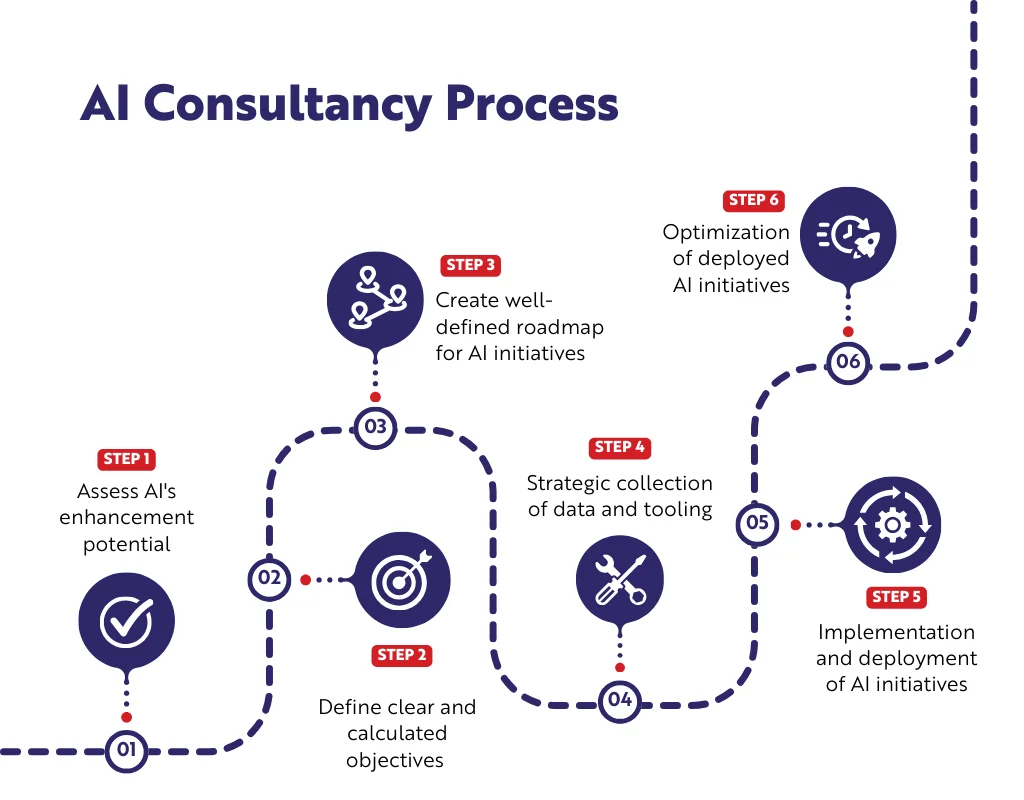
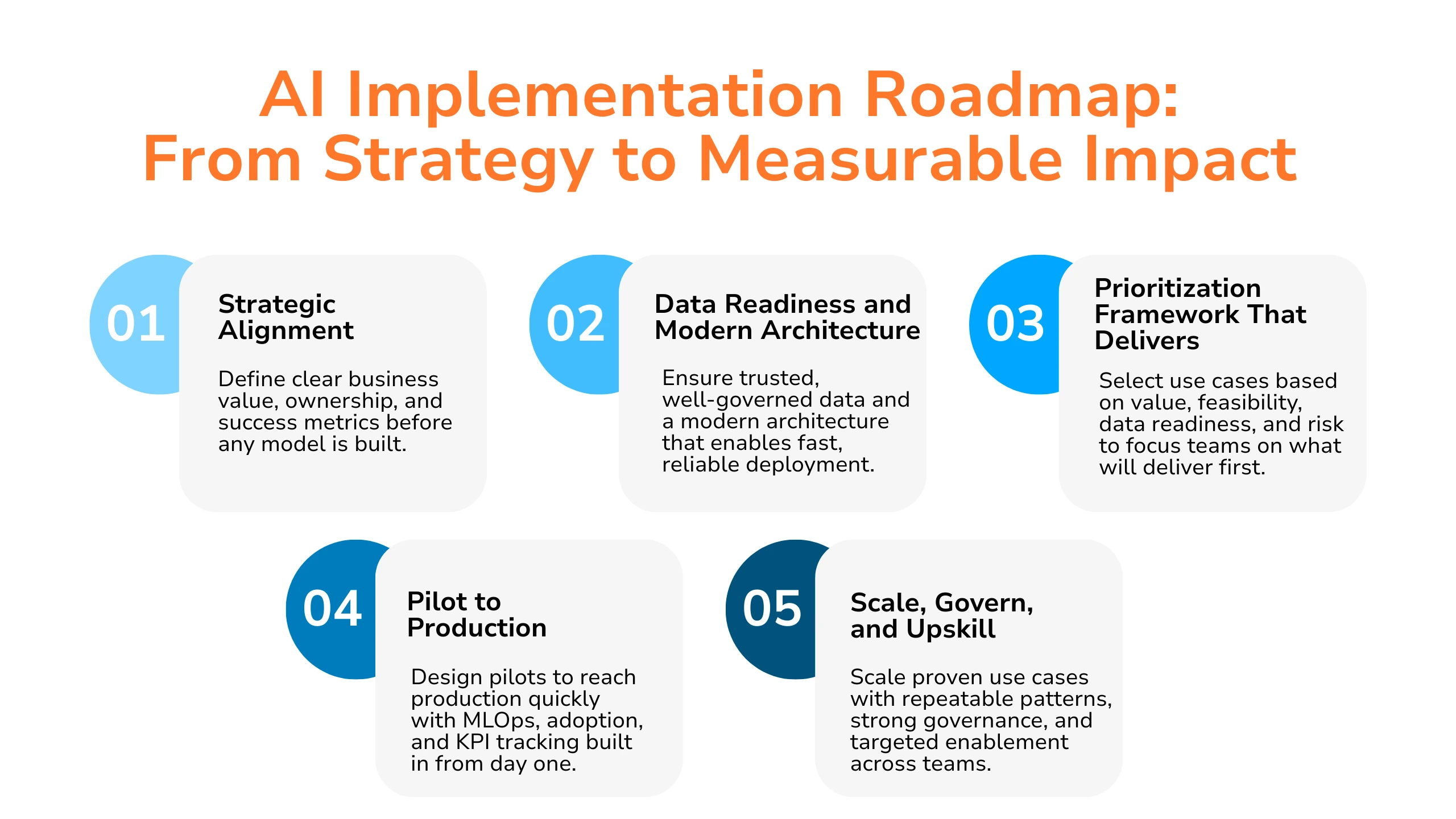
Audit. Build. Retain.
One workflow at a time. We don't disappear after the build — we keep it running and prove it every month.
1
Audit
We map how your business runs and pinpoint the single workflow costing you the most. You get a ranked report and a build plan.
$999 · credited toward your build
2
Build
We build and install a managed AI agent for that workflow — voice, follow-up, intake, whatever the audit surfaced. Done-for-you, live in days.
One-time setup fee
3
Retain
We manage the agent — monitor it, improve it, expand it — and send you a monthly proof report of exactly what it handled and recovered.
Simple monthly retainer
Three Ways to Work Together
However hands-on you want to be.
Done for you
We build the agent and manage it end to end. You get the results and the monthly proof report. Most clients choose this.
The retainer
Done with you
We build alongside your team so you own it and can extend it. Great if you have someone technical in-house.
Collaborative build
Pointed the right way
Sometimes the fix is just an off-the-shelf tool. If that’s all you need, the audit will tell you — no forced upsell.
Honest by default
Get Started
Ready to see where to start?
The $999 audit shows you the one workflow to fix first — credited toward your build.
The Full Menu
19 revenue-generating AI agents.
From the first missed call to the last unpaid invoice — agents that capture, close, and recover the revenue you're leaving on the table. Your audit picks the one to start with.
1 · Capture
Speed-to-lead
Missed-call text-back
AI receptionist 24/7
Lead qualification
2 · Prospect
Outbound AI SDR
DM-to-sale closer
3 · Close
Quote automation
Cart / quote recovery
Sales follow-up
Booking + no-show
Proposal & contract
Bid / RFP response
4 · Expand
Upsell & cross-sell
Reorder / replenish
Referral mining
5 · Recover
Win-back / churn-save
CRM reactivation
Review requests
Invoice follow-up
Industries
Built around how your industry works.
Same managed-agent model — tuned to the exact way your business leaks time and revenue. Pick yours.
HVAC & Mechanical
Managed AI agents for HVAC.
Answer every call, chase every estimate, and cut tune-up no-shows — without adding office staff.
Before & after your first agent
Before
It's 9pm on the hottest day of the year and a homeowner's AC just died. They call you — straight to voicemail. Frustrated, they call the next company on Google. By the time you hear the message in the morning, the job is already booked with a competitor.
After
That same 9pm call is answered on the first ring. The voice agent asks the right questions, confirms it's urgent, and books your first morning slot. You wake up to a booked job — and a customer who thinks you never sleep.
Why HVAC & Mechanical teams lose hours
Calls drop to voicemail after hours while techs are on a job
Seasonal spikes leave leads waiting 6–12 hours
Tune-up no-shows quietly kill daily revenue
Estimate follow-up dies after one call
Agents we install
24/7 Voice Agent
Answers and books every call, even at 2am.
+34% booked jobs
Missed-Call Text-Back
Texts callers a booking link the second you miss them.
~60% recovered
Estimate Follow-Up
Chases cold quotes at 1, 3, and 7 days.
~28% of cold quotes
Reminder & Reschedule
Confirms tune-ups and rebooks no-shows.
↓40% no-shows
Review Engine
Post-job texts that build Google reviews.
+47 reviews/mo
Seasonal Campaigns
Spring/fall tune-up campaigns, automated.
Set once, runs yearly
Plumbing
Managed AI agents for plumbing.
Capture every emergency call and get paid faster — even when all your techs are dispatched.
Before & after your first agent
Before
A pipe bursts at 2am. Water everywhere. The customer calls — no answer, so they call three more plumbers until someone picks up. You lose a $1,500 emergency job you never even knew rang.
After
The 2am call is answered instantly. The agent captures the address, flags it urgent, and texts you the details while booking the earliest slot. The job is yours before the competition even wakes up.
Why Plumbing teams lose hours
Emergency calls go unanswered when techs are out
Customers shop 3 competitors while waiting for a callback
Invoice follow-up is manual and delayed
After-hours leads are lost overnight
Agents we install
24/7 Voice Agent
Captures every emergency call and routes it.
+34% booked jobs
Missed-Call Text-Back
Instant text-back while techs are on a job.
~60% recovered
Invoice Follow-Up
Chases unpaid invoices by text automatically.
92% collection
Speed-to-Lead
Replies to every web lead in under 60s.
3× conversion
Estimate Follow-Up
Reactivates quotes that went cold.
~28% of cold quotes
Review Engine
Turns finished jobs into Google reviews.
+47 reviews/mo
Dental
Managed AI agents for dental practices.
Fill the schedule, cut no-shows, and turn happy patients into reviews — automatically.
Before & after your first agent
Before
A prospective patient with a toothache finds your practice at 10pm. The office is closed, no one answers, and the online form sits unread until Monday. By then they've already booked with the practice down the street.
After
At 10pm the agent answers, checks your availability, and books them for the next morning — then sends a reminder so they actually show. A new patient captured while your office was dark.
Why Dental teams lose hours
New-patient inquiries after hours go unanswered
Reminder gaps drive 15–25% no-show rates
Review requests never get sent
Recall and hygiene follow-up is all manual
Agents we install
24/7 New-Patient Intake
Answers and books new patients around the clock.
More booked chairs
Reminder & Reschedule
Automated reminders that cut no-shows.
↓40% no-shows
Review Engine
Post-visit texts that build reviews.
+47 reviews/mo
Recall & Reactivation
Re-books lapsed hygiene patients.
Fuller schedule
Speed-to-Lead
Instant reply to every web inquiry.
3× conversion
Treatment Follow-Up
Nudges unscheduled treatment plans.
More case acceptance
Real Estate
Managed AI agents for real estate agencies.
Follow up on every lead for the full 72 hours — the window where 80% of deals are still live.
Before & after your first agent
Before
A serious buyer submits an inquiry on a listing. You're mid-showing and can't reply for six hours. By the time you follow up, they've already toured two other homes with the agent who answered first.
After
The moment that inquiry lands, the agent replies in under 60 seconds, answers their questions, and offers tour times — then keeps following up through day 3, the window where most deals are still alive.
Why Real Estate teams lose hours
Leads go cold after 72 hours
After-hours listing inquiries go unanswered
CRM entry eats time that should be in the field
Open-house follow-up is inconsistent or forgotten
Agents we install
Speed-to-Lead
Replies to every inquiry in under 60 seconds.
3× conversion
72-Hour Follow-Up Drip
Keeps every lead warm for the full window.
More deals held
Listing Inquiry Responder
Answers listing questions 24/7.
No missed inquiries
Open-House Follow-Up
Personalized drip to every attendee.
Listings move faster
CRM Auto-Population
Logs and updates contacts for you.
Hours back weekly
Referral Mining
Requests referrals at the right moment.
More warm intros
Insurance
Managed AI agents for insurance agencies.
Quote in 60 seconds, never miss a renewal, and catch every cross-sell.
Before & after your first agent
Before
A prospect requests a quote at lunch. It sits in the queue for four hours. In that window they've gotten quotes from three competitors, and by the time you call back they've already bound a policy elsewhere.
After
The quote request gets an instant, personalized response — while you're still at lunch. The agent gathers what's needed and keeps them warm, so you're the first quote they see, not the fourth.
Qualify intake in minutes, cut consultation no-shows, and free up billable hours.
Before & after your first agent
Before
A potential client calls about a case. Your paralegal spends 30 minutes just qualifying whether it's a fit — time that isn't billable — and half the callers aren't even a match for your firm.
After
The intake agent pre-qualifies every caller against your criteria first, collects the details, and books a consultation only when it's a real fit. Your team spends their hours on clients, not tire-kickers.
Why Law Firms teams lose hours
Intake takes 30+ minutes to qualify one lead
Consultation no-shows run 20–30%
Client status-update calls eat billable time
Billing follow-up is delayed and awkward
Agents we install
Intake Qualification Bot
Pre-qualifies leads before they hit staff.
8→22 consults/wk
Consultation Reminders
Automated reminders that cut no-shows.
↓ no-show rate
Client Status Updates
Answers routine status questions.
Billable time back
Billing Follow-Up
Chases outstanding fees, professionally.
Faster collections
Speed-to-Lead
Responds to every inquiry instantly.
3× conversion
Document Drafting
Accelerates first-draft document work.
Hours to minutes
Med Spa
Managed AI agents for med spas.
Book more appointments after hours, cut no-shows, and turn every visit into the next one.
Before & after your first agent
Before
Someone sees your Instagram at 9pm and wants to book a consultation. They message — no reply until tomorrow. By then the excitement's gone and they've booked the med spa that answered.
After
The booking agent replies instantly, answers questions about the treatment, and locks in the appointment on the spot — then nudges them to rebook their next visit after they come in.
Why Med Spa teams lose hours
After-hours booking requests go to whoever answers first
No-shows leave expensive gaps in the day
Clients leave without booking their next visit
Reviews and referrals are never asked for
Agents we install
24/7 Booking Agent
Books consults and treatments around the clock.
+40% after-hours bookings
Reminder & Reschedule
Confirms and rebooks appointments.
↓40% no-shows
Rebooking Sequences
Nudges clients to book their next visit.
38%→71% rebooking
Review Engine
Post-visit review requests.
+47 reviews/mo
Speed-to-Lead
Instant reply to every inquiry.
3× conversion
Win-Back Campaigns
Re-engages lapsed clients.
More repeat visits
Small Business
Managed AI agents for small businesses.
Answer every call, follow up on every lead, and keep your reviews growing — without hiring more office staff.
Before & after your first agent
Before
You're with a customer when the phone rings. You can't grab it, it goes to voicemail, and the caller — a ready-to-buy lead — just moves on to the next result on Google.
After
Every call you can't grab is answered or instantly texted back by the agent, which captures the lead and books them in. You never lose a sale to a missed call again.
Why Small Business teams lose hours
Calls go unanswered during your busiest hours
Leads and messages slip through the cracks
Reviews never get asked for
Repeat customers are never re-engaged
Agents we install
24/7 Voice Agent
Answers and books every call.
+34% booked jobs
Speed-to-Lead
Replies to every lead in under 60s.
3× conversion
Missed-Call Text-Back
Texts back every missed call.
~60% recovered
Review Engine
Builds Google reviews automatically.
+47 reviews/mo
Reminder & Reschedule
Cuts no-shows automatically.
↓40% no-shows
Win-Back Campaigns
Re-engages past customers.
$6,400 avg recovered
Self-paced · 7-day build sprint · Certification included
Build your own AI agents in 7 days.
The Cogentia AI Operator Program takes founders and operators from scattered prompting to a real, working agent running inside their own business — and a credential to prove it.
$499 one-time · Certified AI Agent Operator credential · No coding required
✓ You're on the waitlist.
We'll email you the moment enrollment opens — early-bird pricing for the waitlist.
What you walk away with
One working AI agent
Not theory — a real agent live in your business by the end of the week.
A repeatable build process
Do it again for the next workflow, and the next. The playbook is yours.
Certified AI Agent Operator
A completion credential and badge you can put on your site and profile.
Who It's For
You want the capability in-house.
Owners & operators
You'd rather build AI capability inside your team than outsource all of it forever.
Lean teams
You need a first win fast, then a repeatable system for every workflow after it.
Already using AI, but scattered
You use Claude or ChatGPT daily, but it's inconsistent and nothing actually runs on its own.
The Curriculum
Day by day, built for momentum.
No bloated modules. Each day moves you closer to a working agent you can actually use.
Day 1 · 3 lessons
AI-Native Foundations
Rewire how you think about AI — from chatbot to worker.
What an AI agent actually is (the 7 parts)
Where agents beat prompts and people
Mapping your first workflow
Day 2 · 3 lessons
Find Your First Agent
Pick the one workflow worth automating first.
Auditing your own workflows
Where frequency meets friction
Scoring by impact vs. effort
Day 3 · 3 lessons
Tools & Environment
Get your AI workspace set up properly.
Connecting phone, inbox, calendar & CRM
Choosing your models
Your build environment
Day 4 · 3 lessons
Build the Agent
Assemble a real, working agent.
Instructions, memory & context
Permissions and boundaries
Your first live agent
Day 5 · 3 lessons
Guardrails & Review
Make it safe and reliable.
Human-in-the-loop review paths
Exception handling
Testing before you ship
Day 6 · 3 lessons
Deploy & Measure
Ship it and prove it works.
Going live with confidence
Wiring up reporting
Defining your proof metric
Day 7 · 3 lessons
Scale & Certify
Turn one win into a repeatable system.
Your reusable build playbook
Your next three agents
Certification assessment
What makes it different
A guided build dashboard, not just video lessons.
Every day's work lands in one place — so you're applying the material to a real workflow, not collecting prompt screenshots.
Build Board
Track completed lessons, your build artifacts, and your own notes as you go.
Impact Tracking
Record what changed in your workflow and what still needs validating.
Build Record Export
Export a clear record of what you built — and exactly what to improve next.
Become a Certified AI Agent Operator.
Finish the build sprint, pass the assessment, and earn a credential that says you can put AI to work — for your own business or your clients'.
Questions
Before you enroll.
It's a guided build sprint. The lessons are short by design and move you toward a real first agent — but your result depends on doing the build work and validating it in your own business.
No coding experience required to start. Basic comfort with software helps, and the later days introduce tools like Claude Code through guided, step-by-step setup.
Then the done-for-you path is your next step: the $999 audit, and a managed-agent retainer if you'd rather we build and run it. A quick call helps you choose — with no pressure into the heaviest option.
You get immediate dashboard access and work at your own pace across the 7 days. Everything — lessons, your build, and notes — stays in one place.
Yes. Complete the build sprint and pass the assessment to earn the Certified AI Agent Operator credential and badge.
Enrollment Opening Soon
Get first access & waitlist pricing.
Drop your email and you'll be first in line when the doors open — at the lowest price we'll offer.
✓ You're on the list — check your inbox.
Free · 3 minutes · no call required
What’s your business leaking?
Ten quick questions. See your Revenue Leak Score and the one gap costing you the most — on screen, instantly.
3 minutesNo email required to see your score
Your Revenue Leak Score
Your #1 leak
Want the full breakdown — every gap and how it gets fixed — emailed to you?
✓ On its way — check your inbox.
Credited toward your build ·
The Front Door
The $999 Workflow Audit.
In one focused session we map how your business actually runs, then hand you a ranked shortlist of the 3–7 places AI will save you the most time and recover the most revenue — and tell you exactly which one to build first.
Credited in full toward your build if you proceed · 100% yours to keep either way
What You Walk Away With
A clear answer to one question: what should we fix first?
3–7 ranked opportunities
A prioritized shortlist of where AI will save the most time, recover the most revenue, or remove the biggest bottleneck.
Your #1 workflow to build first
The single highest-impact fix — the one costing you the most right now — with a clear reason it’s first.
Directional impact, honestly
Estimated time and revenue impact for each opportunity, with assumptions shown. No made-up ROI numbers.
A concrete build plan
Exactly what we’d build, how long it takes, and what it costs to run each month. Yours to keep even if you walk.
How We Score It
Every opportunity scored against three levers.
If a fix doesn’t move at least one of these, it doesn’t make your shortlist.
More revenue
Win the jobs you’re losing to slow response and dropped follow-up.
More hours back
Pull repetitive admin off you and your team, every single week.
Happier customers
Faster replies, no dropped balls, a more professional experience.
How the Audit Works
Under a week, start to finish.
Intake
You fill out a short form so we arrive already knowing your tools, your team, and your biggest time sinks.
Working Session
A focused 45-minute call. You screen-share how the work actually happens — we watch for where it slows down.
We Map & Rank
We turn what we saw into a ranked list of automation opportunities, scored by impact and effort.
Your Report
You get the shortlist, the #1 pick, and a build plan — plus a clear recommendation on what to do next.
Why It’s Paid
Because it’s real work — and it’s worth it on its own.
Free audits get free effort. The $999 buys a genuine operational teardown you could hand to any developer and act on tomorrow. Most owners find opportunities they’d never priced out before.
And if you move forward with a build, the full $999 comes off your setup fee — so when you proceed, the audit is effectively free.
The Math
$999
Audit fee$999
Credited when you build– $999
Net cost when you proceed$0
Who It’s For
A fit if you’re…
A service or professional-services business
HVAC, dental, plumbing, cleaning, construction, roofing, real estate, insurance, law, medspa — anywhere repetitive work eats the day.
No strategy decks. No software for you to babysit. Just one AI agent that quietly handles the work you hate — and a team that keeps it running.
Photo — Zain Razak
Zain Razak
Founder, Cogentia AI
Cogentia AI started with a simple frustration: most AI “help” comes in two useless flavors. A consultant’s strategy deck that never ships — or a pile of tools you’re left to figure out yourself. Neither one actually runs your business.
After eight years across AI, automation, and solutions consulting — building production systems for companies large and small — I kept seeing the same pattern. The businesses that win with AI don’t have the cleverest strategy. They have someone who quietly installs one thing that works, and keeps it working.
So that’s all we do. We find the single workflow costing you the most, put a managed AI agent on it, and run it for you — reporting back every month on exactly what it recovered. Boring, repetitive, expensive work, handled. That’s where AI actually pays off.
How we think
Audit before you automate. We never prescribe on the first call. We find where frequency meets friction and fix that — nothing you don’t need.
One agent at a time. We’d rather nail a single job than sell you a platform you have to learn. Small, measurable, done-for-you.
Prove it every month. You renew what you can measure — so you always see what the agent handled and what it put back in your pocket.
Insights
AI Strategy, Research & Resources.
Practical thinking on AI implementation, automation strategy, and what actually works in production.
Industry Insight
The Tech Gap No One Talks About: Why Businesses Are AI's Last Frontier
Enterprise companies have had AI assistants, automated follow-up, and 24/7 digital presence for years. Growth-stage businesses are just now getting access to the same tools — at a fraction of the cost. Here's why that gap existed, why it's closing fast, and what it means right now.
Zain Razak·March 15, 2025·5 min read
Read article →
Lead Generation
The 60-Second Rule: Why Response Time Decides Who Gets the Job
78% of jobs go to the first business that responds. The average company takes 4.2 hours. That gap costs the average operator $93,600 a year in lost revenue.
April 2, 2025·4 min read
Read article →
Local SEO
23 Reviews to 335 in 90 Days: Why Google Reviews Are a Revenue Strategy
Most businesses treat reviews as a nice-to-have. The ones dominating local search treat them as infrastructure. Automation changes everything about this equation.
April 18, 2025·4 min read
Read article →
AI Adoption
AI in Business: What the 2025 Numbers Say About Your Competition
70% of businesses are already using AI in some form. Trades and services lag at 7.2%. The first-mover window is open — but closing fast.
May 6, 2025·5 min read
Read article →
Google Research · 2026
Google's AI Opportunity Report 2026: Key Findings for Business Leaders
Google's annual AI readiness survey polled 3,000 executives across 14 industries. Here are the findings that matter most for companies deploying AI this year.
Add source URL →
Google Cloud · 2026
The 2026 State of AI in Business: Google Cloud Research
What separates companies getting real ROI from AI and those that aren't? Google Cloud's 2026 research reveals the infrastructure decisions that make the difference.
Add source URL →
Strategy · 2026
Agentic AI in 2026: What It Means to Deploy AI That Acts, Not Just Answers
The shift from AI that answers questions to AI that takes action is the defining change of 2026. What that means for enterprise operations — and how to get ahead of it.
Zain Razak·2026
AI Governance · 2026
AI Governance in 2026: Practical Frameworks for Growth-Stage Companies
As AI becomes critical infrastructure, governance isn't just a compliance checkbox — it's a competitive advantage. A practical framework for companies that don't have a legal team.
Zain Razak·2026
Manny Alvarez
Stockton Plumbing
Joanna Joseph, DDS
Dental Practice
Most clients see measurable results within 30–60 days of deployment. Our target is 90 days to meaningful ROI — whether that's hours saved, revenue recovered, or cost eliminated. We agree on specific KPIs before we start, so you always know what success looks like.
No. The retainer is month-to-month — cancel anytime. We host and manage the agent for you as a done-for-you service, so there's nothing for you to maintain, and your customer data always stays yours. Prefer to build and own it in-house instead? That's exactly what our AI Operator course is for.
No. Most of our clients have little to no in-house technical staff. We handle all the engineering, integration, and deployment. We also provide training so your team knows how to use and monitor what we build — even without a developer on staff.
We build and ship production-grade systems, not slide decks. Every engagement ends with working AI in your business. We're also fully outcome-focused: we agree on KPIs upfront and measure everything against them. If it doesn't deliver ROI, something went wrong — and we fix it.
Engagements vary based on scope and complexity. AI Consulting starts at $3,500. AI Implementation projects typically range from $8,000–$25,000. AI Transformation engagements are scoped and priced individually. We're transparent about pricing on the first call — no bait-and-switch.
We're model-agnostic and platform-agnostic. We work with OpenAI, Anthropic, Google Gemini, and open-source models. For integrations, we connect with any CRM, ERP, scheduling tool, or communication platform. We recommend the right stack for your use case — not just the most popular one.
Yes. Every project includes a 30-day post-launch support period. Beyond that, we offer optional monthly retainers for model tuning, performance monitoring, and system expansion. Most clients stay on for ongoing optimization once they see the results.
Book a Call
Let's Talk About Your Business.
30 minutes. No pitch. No pressure. We'll look at your current setup and show you exactly what AI could do for your revenue — with real numbers, not guesses.
1.We review your business before the call so we're not wasting your time
2.We show you exactly what's leaking revenue and what it's worth
3.You leave with a clear picture — no obligation, no pressure
Get Your Free AI Preview
Fill in your details and we'll reach out with a personalised look at what AI can do for your business — no obligation.
✅
You're on the list!
We'll be in touch shortly with your personalised AI preview. Keep an eye on your phone and inbox.
Legal
Privacy Policy
Effective Date: May 7, 2025 · Last Updated: May 7, 2025
Cogentia AI ("we," "us," or "our") is committed to protecting your privacy. This Privacy Policy explains how we collect, use, disclose, and safeguard your information when you visit cogentia.ai or submit your information through our contact form, including opting into SMS communications.
Please read this policy carefully. If you disagree with its terms, please stop using our site.
1. Information We Collect
We may collect the following information when you voluntarily submit our contact form:
Full name
Mobile phone number
Email address
Business type / industry
Submission timestamp and source page
We also collect standard technical data automatically (browser type, IP address, pages visited) through server logs. We do not use third-party analytics tracking cookies.
2. How We Use Your Information
Respond to your inquiry and deliver the requested AI preview or consultation
Send you SMS messages related to your request (with your explicit consent)
Send follow-up email communications about our services
Log your information internally for business purposes
Improve our website and services
3. SMS Communications
By submitting our contact form, you expressly consent to receive SMS text messages from Cogentia AI at the mobile number you provide. Message frequency will vary — typically 1–3 messages per interaction. Message and data rates may apply.
You can opt out at any time by replying STOP. After opting out, you will receive one final confirmation and no further SMS will be sent. To re-subscribe, reply START. For help, reply HELP or contact [email protected].
4. Sharing of Your Information
We do not sell, rent, trade, or share your mobile phone number or personal information with third parties for their marketing purposes.
We may share your information only in these limited circumstances: service providers (Make.com, Twilio, Google Workspace) operating solely on our behalf; legal requirements; and business transfers in the event of a merger or acquisition.
5. Data Retention
We retain your contact information for as long as necessary to fulfill the purposes described in this policy, or as required by law. SMS opt-out records are retained indefinitely to honour your preferences.
6. Your Rights
Access the personal data we hold about you
Request correction of inaccurate data
Request deletion of your data
Opt out of SMS communications at any time (reply STOP)
We implement reasonable administrative and technical measures to protect your personal information. No internet transmission or electronic storage is 100% secure — we cannot guarantee absolute security.
8. Children's Privacy
Our services are not directed to individuals under the age of 18. We do not knowingly collect personal information from minors.
9. Changes to This Policy
We may update this Privacy Policy from time to time. The "Last Updated" date at the top of this page will reflect any changes. Continued use of our site after changes constitutes acceptance of the revised policy.
Effective Date: May 7, 2025 · Last Updated: May 7, 2025
These Terms and Conditions ("Terms") govern your use of the Cogentia AI website located at cogentia.ai and any related services provided by Cogentia AI ("we," "us," or "our"). By accessing our site or submitting your information, you agree to these Terms in full.
1. Acceptance of Terms
By using this website or submitting the contact form, you confirm that you are at least 18 years of age, have read and understood these Terms, and agree to be bound by them.
2. Services
Cogentia AI provides AI consulting, implementation, and transformation services for growth-stage companies and enterprises. Information on this website is for general informational purposes and does not constitute a binding service agreement. Formal service engagements are governed by separate written agreements.
3. SMS Messaging Terms
By submitting our contact form, you provide express written consent to receive recurring automated SMS text messages from Cogentia AI at the mobile number you provided. Consent is not a condition of purchase.
Message frequency: Varies — typically 1–3 SMS messages per inquiry or follow-up.
Rates: Standard message and data rates from your mobile carrier may apply.
Opt-out: Reply STOP at any time. One final confirmation, then no further messages.
Supported carriers: AT&T, Verizon, T-Mobile, Sprint, Boost Mobile, MetroPCS, U.S. Cellular, and others.
Mobile numbers will not be shared with third parties for their own marketing purposes.
4. Contact Form & Lead Submissions
When you submit our contact form, you are requesting information about Cogentia AI services and consenting to be contacted via SMS and/or email. Submitting the form does not create a service contract or guarantee any particular outcome.
5. Intellectual Property
All content on this website — including text, graphics, logos, and software — is the property of Cogentia AI and is protected by applicable copyright and intellectual property laws. You may not reproduce, distribute, or create derivative works without our express written permission.
6. Disclaimer of Warranties
This website and its contents are provided on an "as is" basis without warranties of any kind. Results described on this website represent outcomes achieved by specific clients and are not guaranteed for all users.
7. Limitation of Liability
To the fullest extent permitted by law, Cogentia AI shall not be liable for any indirect, incidental, special, consequential, or punitive damages arising out of your use of this website or our services. Our total liability shall not exceed $100 USD.
8. Third-Party Links & Services
Our website may contain links to third-party websites (e.g., Calendly, Google). We have no control over, and assume no responsibility for, the content or privacy practices of any third-party site. We use Twilio (SMS), Make.com (automation), and Google Workspace to operate our services.
9. Prohibited Use
Submit false or misleading information
Attempt to gain unauthorized access to our systems
Transmit spam, malware, or harmful code
Violate any applicable law
10. Privacy
Your use of this site is also governed by our , incorporated into these Terms by reference.
11. Modifications
We reserve the right to update these Terms at any time. Changes take effect upon posting. Continued use of the site constitutes your acceptance of the revised Terms.
12. Governing Law
These Terms are governed by the laws of the United States and the state in which Cogentia AI operates, without regard to conflict of law principles.
 Perplexity